Qlik Cloud Migration
Move your QlikView or Qlik Sense environment to Qlik Cloud, with a partner that has done it before.
Start with a Qlik Cloud migration assessment to understand which apps to migrate, which to rebuild and which to retire.
Why move to Qlik Cloud?
Qlik Cloud helps you:
Stay up to date: Continuous releases give you instant access to new capabilities, including automation, real-time data replication and AI-driven insights.
Scale on demand: Scale up or down without managing hardware.
Connect more easily: Integrate cloud and on-premises data sources across platforms.
Simplify maintenance: No costly infrastructure or time-consuming upgrades.
Unlock end-to-end Qlik capabilities: Alerting, subscriptions, automation flows, data catalog, AutoML and more.

Which Qlik Cloud migration are you facing?

QlikView to Qlik Cloud migration

Qlik Sense to Qlik Cloud migration

Not sure where to start?
Qlik Cloud migration roadmap
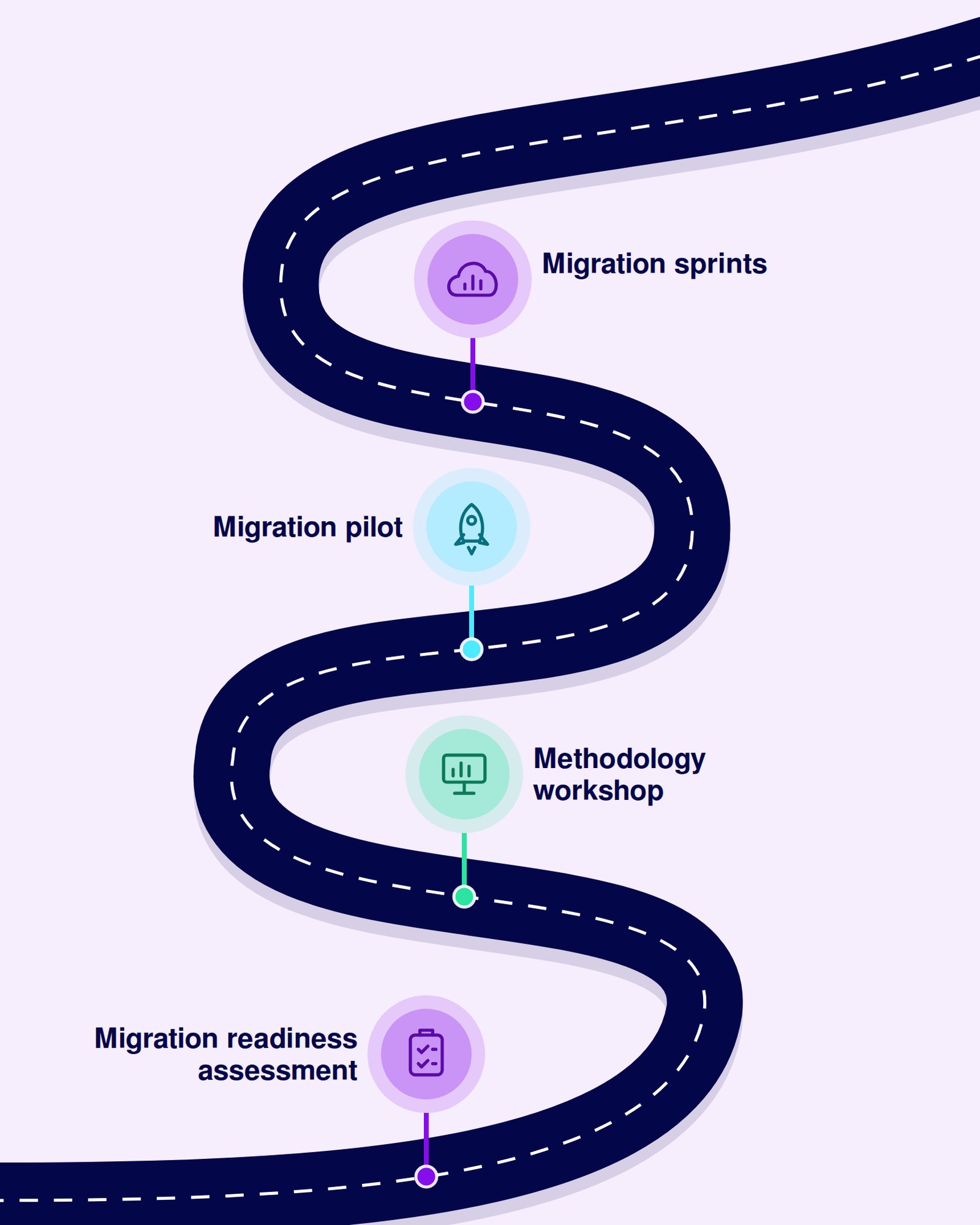
Our roadmap offers quick, tangible deliverables and early results at every stage.
Qlik Cloud migration assessment: analyze your Qlik Sense or QlikView apps, data connections and security rules, and check dependencies on NPrinting reports and extensions such as Vizlib.
Methodology workshop: Agree security, deployment process and development framework.
Migration pilot: Migrate a representative set of apps and users to test the approach.
Migration sprints: Move the rest step by step, with early results at every sprint.
New projects in Cloud: Build every new project directly in the cloud, with ongoing support and coaching.
Qlik Cloud migration assessment
Every Qlik Cloud migration starts with a readiness assessment to give you a fact-based view of what the move involves. We audit your environment with Qlik’s migration and monitoring apps, so decisions rest on data. Together, we review:
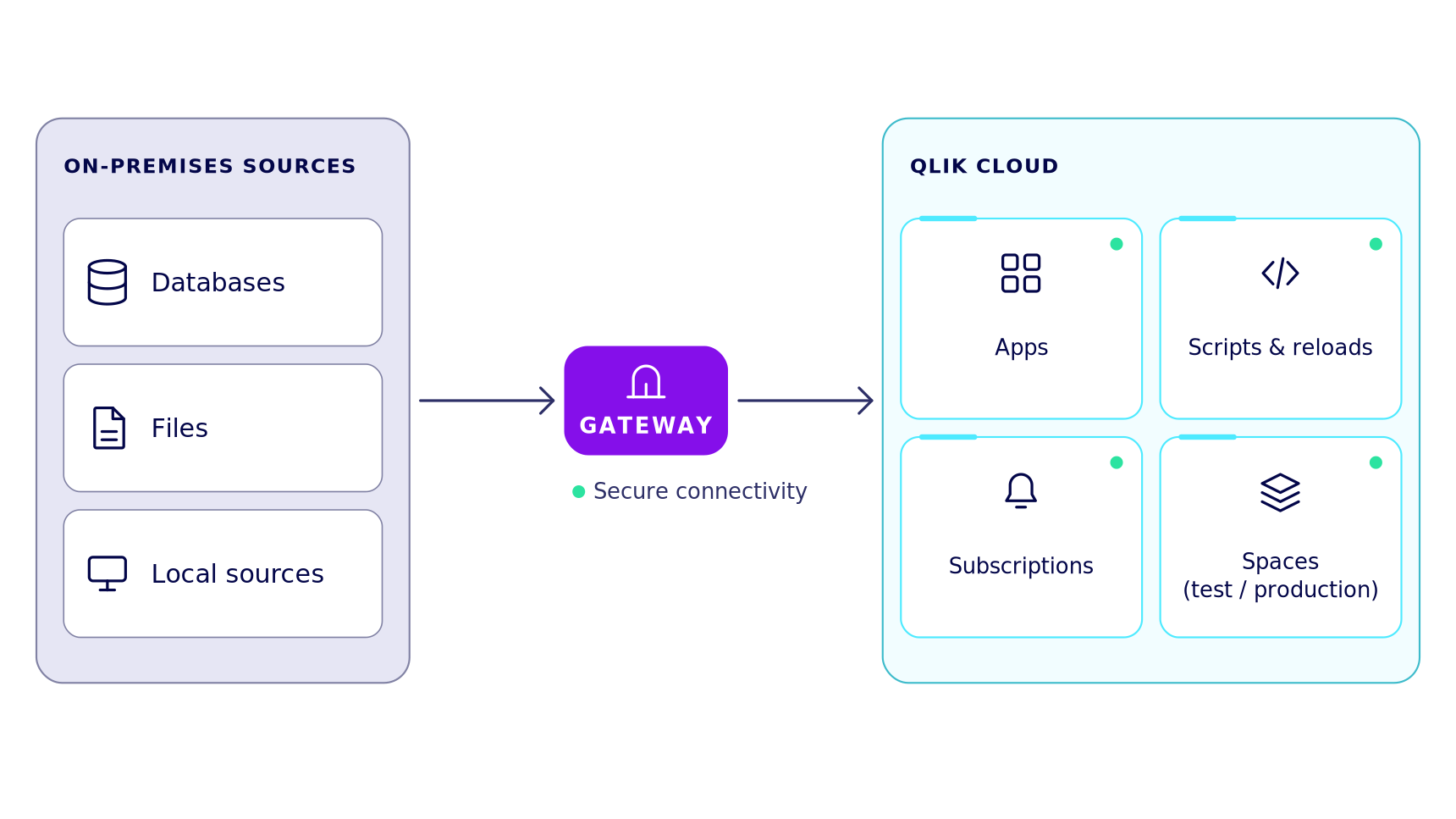
Apps: Qlik Cloud has tier-based limits, so large apps, extensions and configurations may need optimisation. QlikView content needs conversion to Qlik Sense.
Scripts and development framework: We agree how you store QVDs and project files, and how multiple developers work together. Reload tasks are created in the new environment.
Connections: Files, local databases and cloud sources are reviewed. On-premises sources are reached through a gateway, so we plan connectivity and gateway set-up early.
NPrinting: NPrinting publications are replaced with Qlik Cloud subscriptions, automation flows and the Tabular Excel add-on.
Security: We review authentication, role distribution and your overall security design, including how spaces are organised for test and production.
Expected effort and timeline
No two migrations are the same, our assessment gives you a realistic plan for your specific situation.
What influences project duration:
Number and size of apps, especially large apps above 5 GB
QlikView content that needs conversion to Qlik Sense
Extensions and mashups
NPrinting publications to replace
Data connectivity and gateway requirements
Security and governance design
Whether you are fully on-premises or hybrid
Pilot scope and the number of migration sprints

Hear it from our customers
With our data now in the cloud, we have access to a more flexible, cost-effective, and high-performing environment.

Moving from Qlik Sense to Qlik Cloud enabled our institution to benefit from features like alerting, notes, and an interactive glossary, which significantly improved user experience.

Qlik Elite Partner
Beyond Data Group is Belgium’s first Qlik Elite Partner, with 15+ years of experience and more than 400 happy customers.
FAQ
No. We start with a pilot on a representative set of apps, reports and users, then migrate the rest step by step. Your teams keep working in the current environment until each step is validated.
It depends on your environment. The number and size of apps, QlikView conversion, NPrinting, connectivity and security design all play a role. The assessment turns this into a realistic timeline for your organisation.
Yes. QlikView content is converted to Qlik Sense and optimised for Qlik Cloud, as part of a structured roadmap.
We follow five steps: assessment, methodology workshop, pilot, migration sprints, then new projects directly in the cloud.
Assessment, solution design, tenant set-up, training, a migration pilot, migration coaching, reload tasks, data validation and app optimisation.
Yes. We plan connectivity and gateway configuration carefully as part of the move.

Ready to take the next step towards the cloud?
Whether you're planning your first cloud migration or looking to modernise an existing environment, we'll help you define the right approach for your organisation.
Discuss your migration with us.